


The Allure of Risk and Reward
The psychology of gambling revolves significantly around the concepts of risk and reward. The thrill of potentially winning big often overshadows the inherent risks involved. This dichotomy creates a powerful allure that draws individuals to gambling, regardless of their previous experiences. For some, engaging in activities like playing real money online casinos enhances the excitement and anticipation of a potential win.
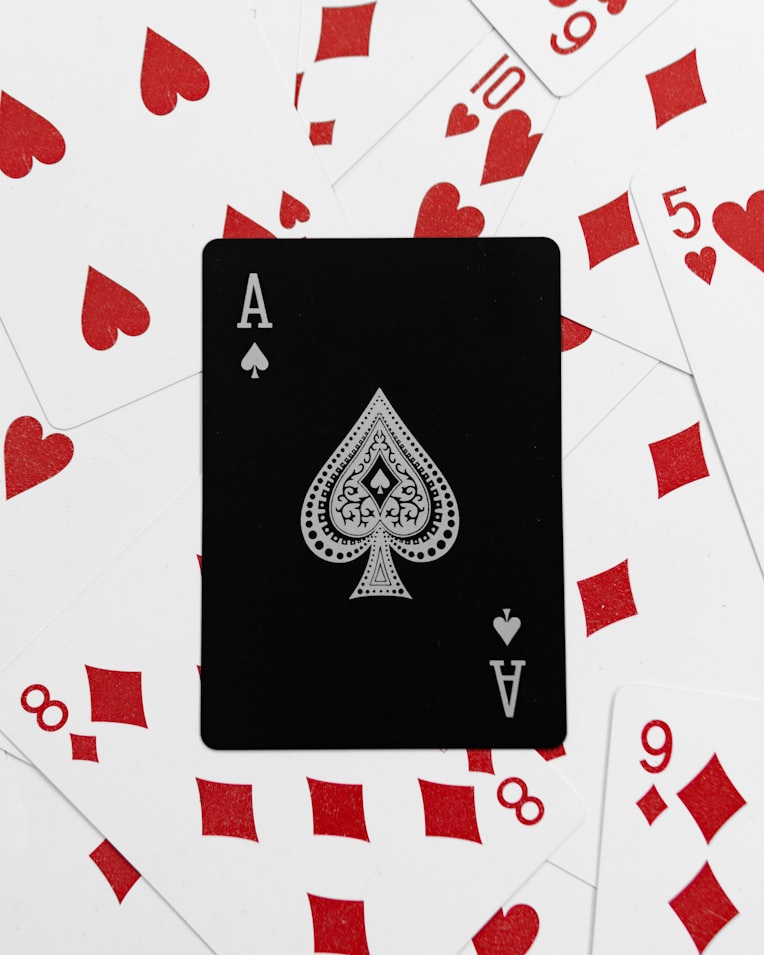
Additionally, the idea of hitting the jackpot triggers the brain’s reward system, releasing dopamine and creating feelings of pleasure. This response reinforces the behavior, making individuals more likely to engage in gambling again in hopes of replicating that euphoric experience. The combination of uncertainty and potential reward serves as a potent motivator, enticing many to participate in various forms of gambling.
The Role of Cognitive Biases
Cognitive biases play a crucial role in the gambling experience. Many gamblers exhibit the “gambler’s fallacy,” where they believe past outcomes influence future results. For instance, a player may think that after several losses, a win is due, leading to increased betting. This fallacy can result in chasing losses, further entrenching individuals in a cycle of gambling.
Another common bias is the illusion of control, where gamblers believe they can influence the outcome of a game based on their skill or strategy. This perception can lead to overconfidence and an increased willingness to bet, despite the random nature of many gambling games. Understanding these cognitive biases is essential for recognizing the psychological traps that can lead to compulsive gambling behaviors.
The Social Aspects of Gambling
Gambling is often a social activity, providing a sense of community and belonging. Many individuals enjoy the camaraderie found in casinos or online gaming platforms, where they can interact with others while partaking in their favorite games. This social dimension adds another layer of thrill, as the shared experiences, both wins and losses, foster connections among players.
The social pressure to gamble can also influence behavior. Friends and family may encourage individuals to join in, making it difficult to resist the urge to participate. This phenomenon can amplify the excitement and anticipation associated with gambling, as players feed off each other’s energy and enthusiasm, heightening the overall experience.
The Impact of Emotion on Gambling Behavior
Emotions play a significant role in the psychology of gambling. Many people gamble to escape negative feelings, such as stress or anxiety. The act of betting can serve as a distraction, providing a temporary reprieve from life’s challenges. However, this emotional connection can lead to problematic gambling behaviors when individuals rely on gambling as their primary coping mechanism.
Conversely, positive emotions can also drive gambling. The thrill of a win can produce excitement and joy, reinforcing the desire to gamble more. This emotional rollercoaster is a critical aspect of why individuals return to gambling, as they seek to recreate those high moments while potentially overlooking the accompanying lows that can lead to emotional distress and financial strain.

Understanding Responsible Gambling
While gambling can be entertaining, it is essential to approach it responsibly. Understanding the psychological factors behind the thrill of gambling can help individuals recognize when their behavior may be becoming problematic. Resources are available for those who feel their gambling is becoming unmanageable, emphasizing the importance of maintaining a healthy balance.
This website prioritizes security and user support, offering guidance for individuals who may experience issues while accessing information related to responsible gambling. Whether you are a beginner looking to learn more or someone seeking assistance, the emphasis on safety and support ensures that users can navigate their gambling experiences more securely and responsibly.